Join Habitat & Education Promotion in Togo for a service-centered experience that connects volunteers with schools, children, community partners and the programs they help make possible.
Mission trip participants may support education activities, youth sports, tree planting and community engagement while learning directly from local leaders and families.
A HEP mission trip is designed around meaningful participation, respectful cultural exchange and practical service. Come ready to listen, contribute and learn alongside the people who lead this work every day.
Work alongside HEP volunteers, schools and community partners—not around them.
Experience Togo through relationships, culture and community-led programs.
Experience Togo through relationships, culture and community-led programs.
We build each itinerary around real program needs, so plans naturally shift with weather, local priorities, and school calendars. However, you can count on most activities happening during the first two weeks of July.
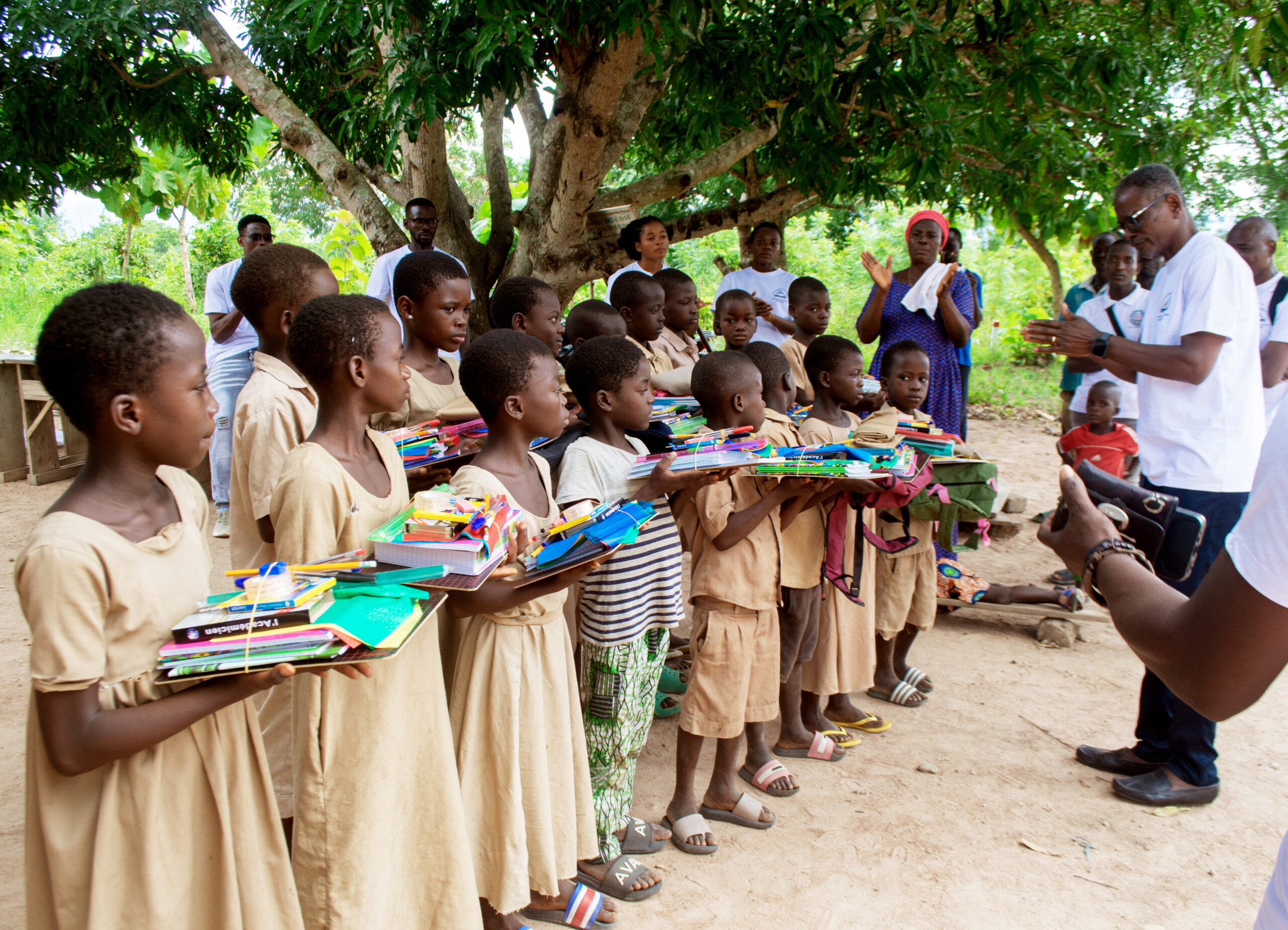
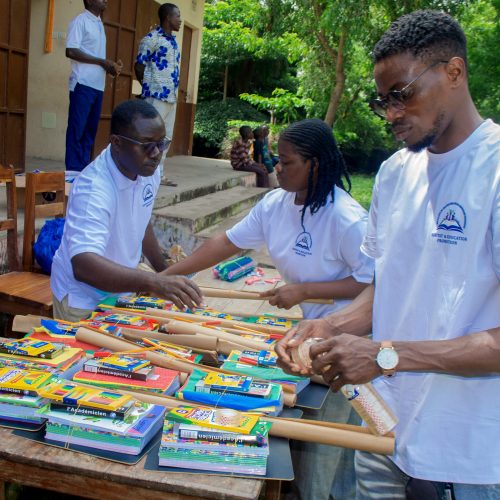
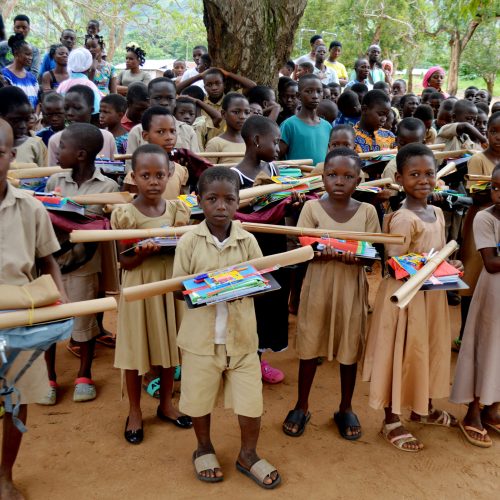
Help prepare or distribute school supplies, participate in student activities, visit partner schools and encourage children in their learning.

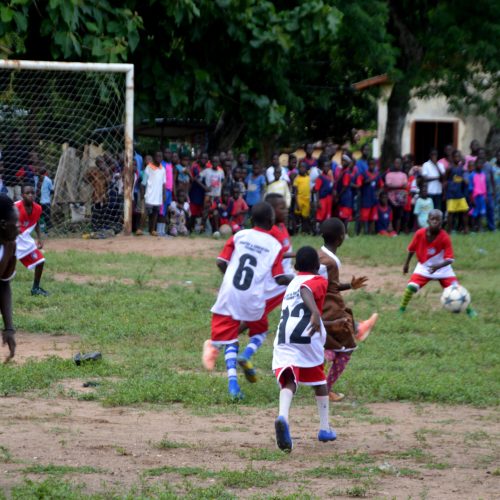
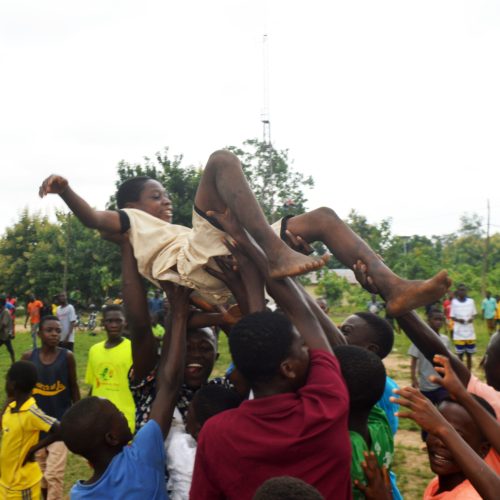
Assist with youth soccer activities, equipment distribution, games and encouragement that promote health, teamwork, confidence and belonging.
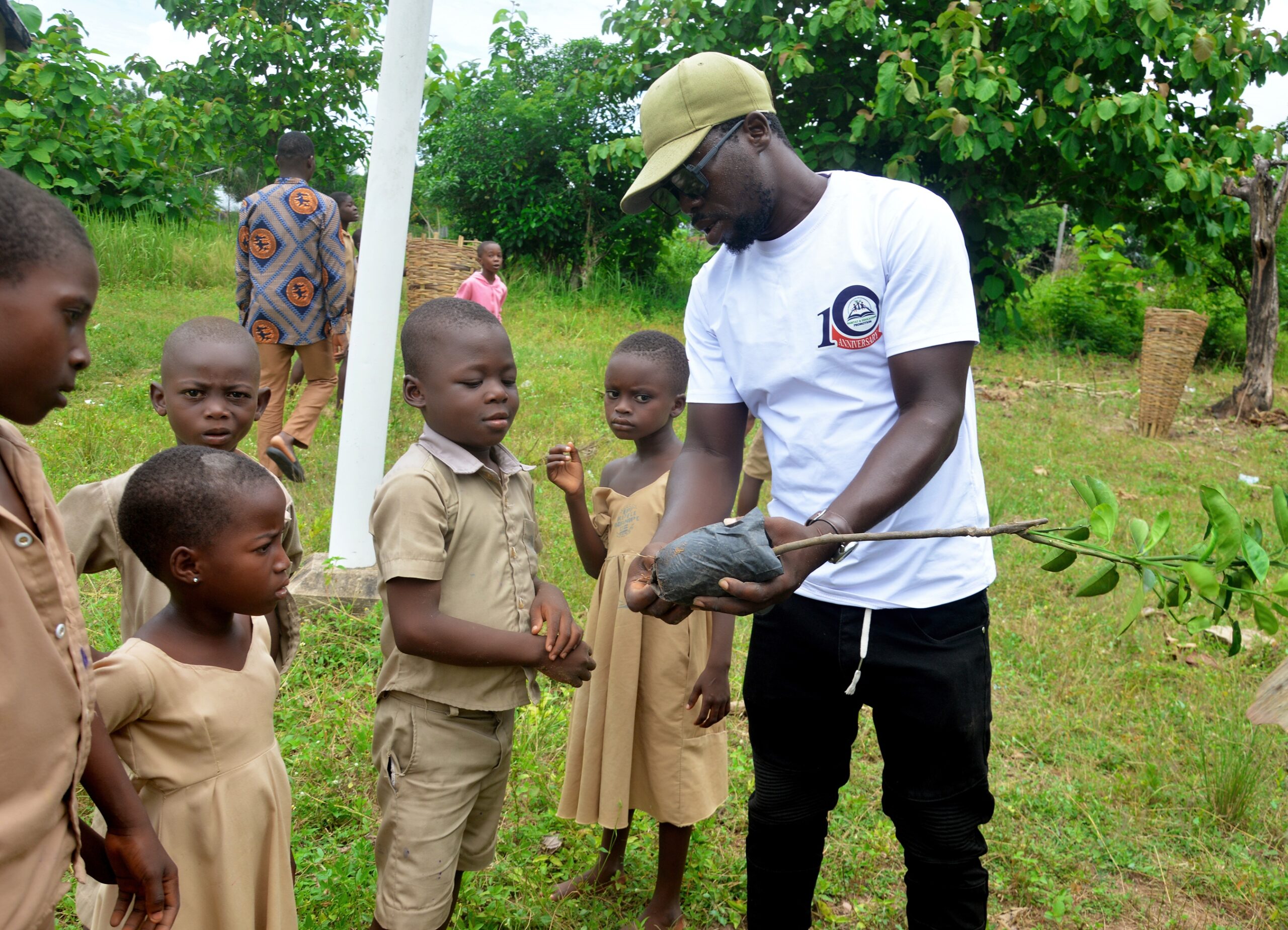
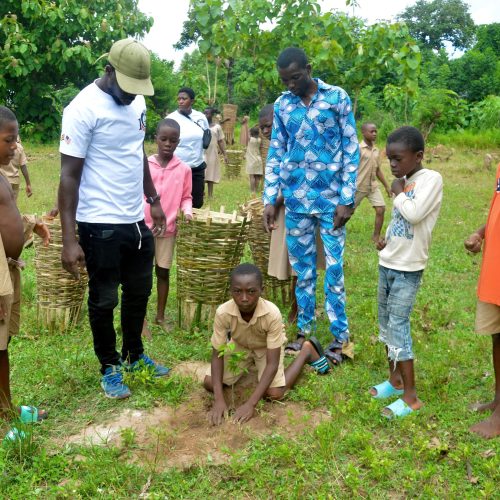
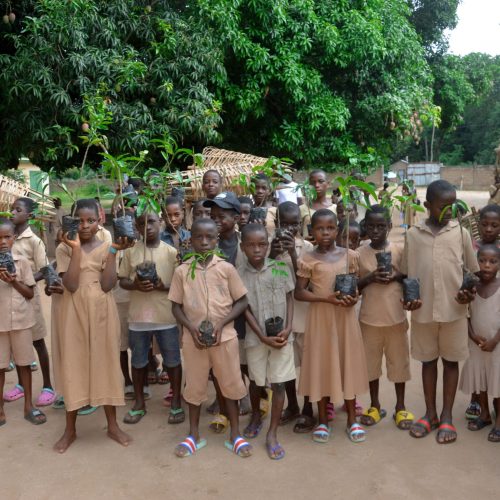
Join school and community tree-planting activities and learn how environmental stewardship connects to education, food, shade and long-term resources.
Orientation, travel documents, cultural preparation and program briefing.
Meet local HEP volunteers and partners, settle in and learn about the communities you will serve.
Participate in scheduled education, sports, environmental and community activities.
Bring the experience home through advocacy, volunteering, storytelling and continued partnership.
Mission trips can be a good fit for adults, families with older youth, church groups, community leaders, educators, coaches, students and professionals who want to engage respectfully with HEP’s work.
You do not need to be an expert. Humility, flexibility, teamwork, cultural respect and a willingness to contribute are most important.
Schedules and conditions can change. Come prepared to adapt.
Follow local guidance, protect children’s dignity and avoid treating service as a photo opportunity.
Be ready to help with practical tasks, travel between communities and support the team.
Final costs depend on travel dates, airfare, length of stay, lodging, ground transportation and individual travel requirements. These are planning estimates—not a current HEP trip fee or guaranteed quote.
Typical international airfare planning range.
Planning range for lodging and meals, depending on itinerary.
Typical total planning range per traveler for a short-term trip.
Other common expenses: visa and entry requirements, travel insurance, health preparation, personal spending and fundraising costs if applicable. HEP will communicate the confirmed trip budget before participants commit.
• Program itinerary and service activities
• Local HEP/community coordination
• Ground transportation planning
• Orientation and program expectations
• Guidance on lodging and local logistics
• Passport and visa requirements (with HEP guidance)
• International airfare unless otherwise stated
• Required or recommended health preparation
• Travel insurance
• Personal medications, spending and travel documents
Travel and health requirements can change. Participants should confirm current requirements with official government, airline and medical sources before departure.
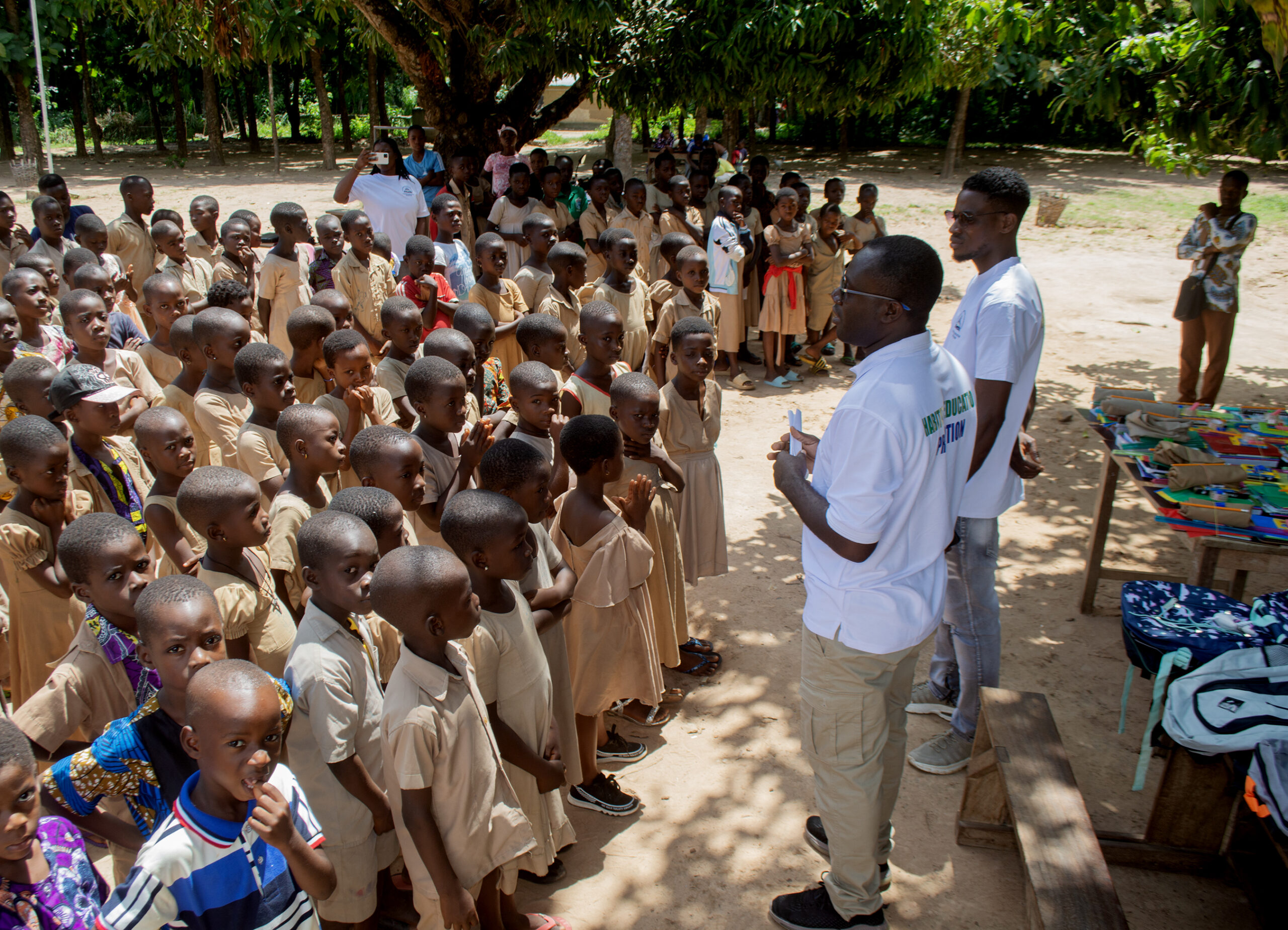
Mission participants represent HEP while interacting with children, schools and communities. Travelers are expected to follow HEP’s safeguarding standards, photography and consent expectations, local guidance and team safety procedures.
We encourage participants to focus on relationships and dignity.
Trip dates are announced based on program schedules, school calendars and local priorities. HEP’s largest school-based activities often take place around second week of July each year.
Trip length can vary by itinerary and group. Short-term trips are generally planned around approximately one to two weeks.
No. Specific skills can be useful, but humility, flexibility and teamwork are most important.
Yes. HEP can discuss group participation and align service activities with program needs and available dates.
Participants may choose to fundraise for eligible travel or program costs. Any HEP-branded fundraising should be coordinated with the organization in advance.
Yes. Donations and sponsorships can support education, youth sports and environmental programs without requiring travel.
Tell us about yourself, your group, the kind of service you are interested in and when you may be available. We will share future trip opportunities and next steps as plans are confirmed.